
Fats Exposed: Different types of fats explained
Fats are an important aspect of meals. Wow! Do you know that? Are you among folks who basically don’t take fatty foods?
Do you know that without fats your body cannot absorb and utilize vitamin A, vitamin E and vitamin D?
Before you stop taking fats (that’s if it’s possible), let’s look into what fat is
What is fat?
Fat is a food nutrient which is composed of fatty acids and glycerol.
Why you need fat
- Fats promote palatability and satiety of food.
- The body uses fat in building cell membranes, hormones and nerve tissue.
- It brings about warmth in the body
- It provides the body with essential fatty acids which the body cannot produce; Omega 3 fatty acids and Omega 6 fatty acids.
- It helps the body to absorb fat soluble vitamins like vitamin A, D, E and K.
You have probably heard of good fats and bad fats. Which of the two fats have you come across? If you haven’t, don’t worry, as I will walk you through different types of fats we have.
Saturated fats
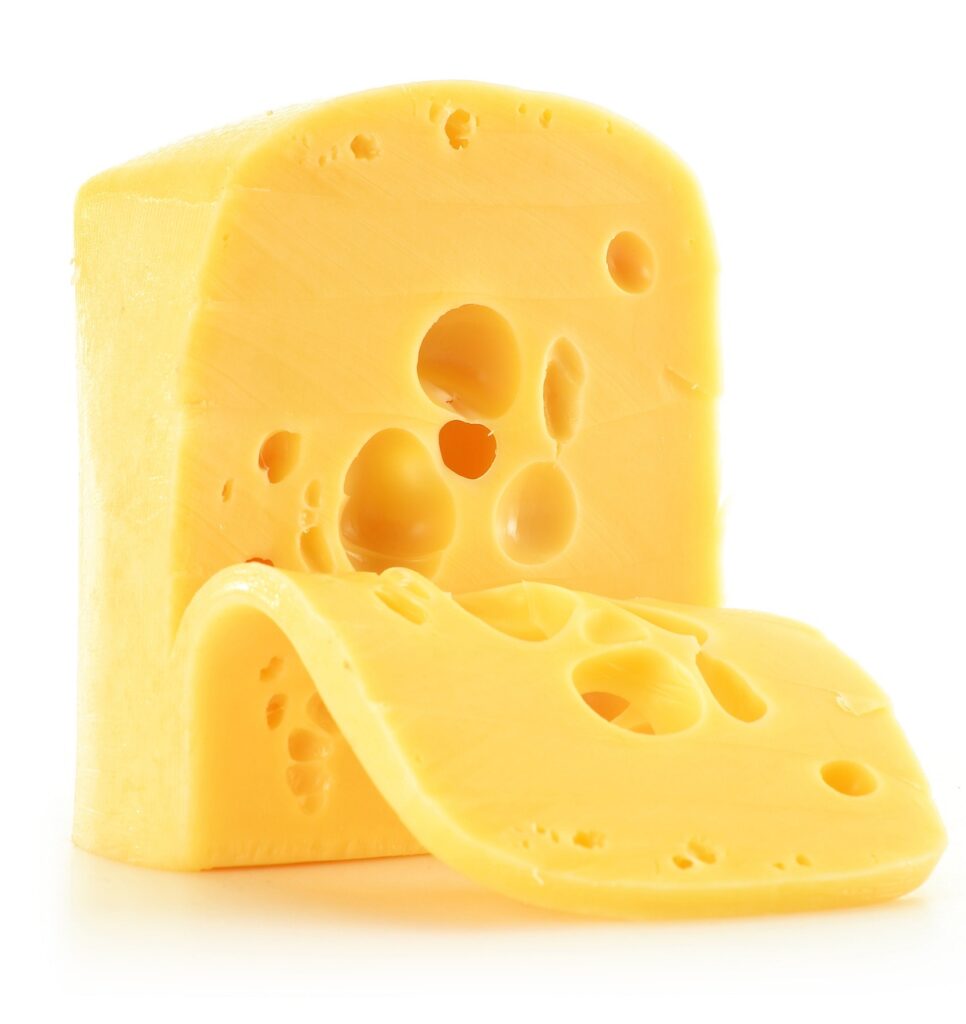
Saturated fats are fats which are solids at room temperature and have a single bond in their fatty acids structure.
Where can they be found?
They are found in some plant foods and animal based foods like pork, beef, lamb chops, dairy products, processed foods like sausages, burger, bacon, pastries and pie, butter, palm and coconut oil.
Note: According to study Palm oil contains 50% of saturated fats, 40% of unsaturated fatty acids, 10% of polyunsaturated fatty acids.
Coconut oil is not fully unsaturated because it’s composed of 90% of saturated fats and 9% of unsaturated fats.
Health implications

- They raise the level of bad cholesterol in the body
- Saturated fats increase the risk of high blood pressure because it brings about narrowing of blood vessels
- It may result in an increased rate of heart diseases.
Unsaturated fat
This is a fat type which contains one or more double bonds within its fatty acid chains. Unsaturated fats are mostly in liquid forms. Unsaturated fats are called the good fats. While saturated fats increase the level of bad cholesterol (Low density lipoprotein – LDLP), unsaturated fats improve the level of good cholesterol (High density lipoprotein).
They are grouped into
Monounsaturated fat
This fat type is characterized by the presence of only one double bond in the fatty acids carbon chains.
Health benefits of monounsaturated fats
- It improves the level of good cholesterol in the body
- It reduces the level of bad cholesterol and as such promotes a good healthy heart and good blood pressure.
Food sources of monounsaturated fats
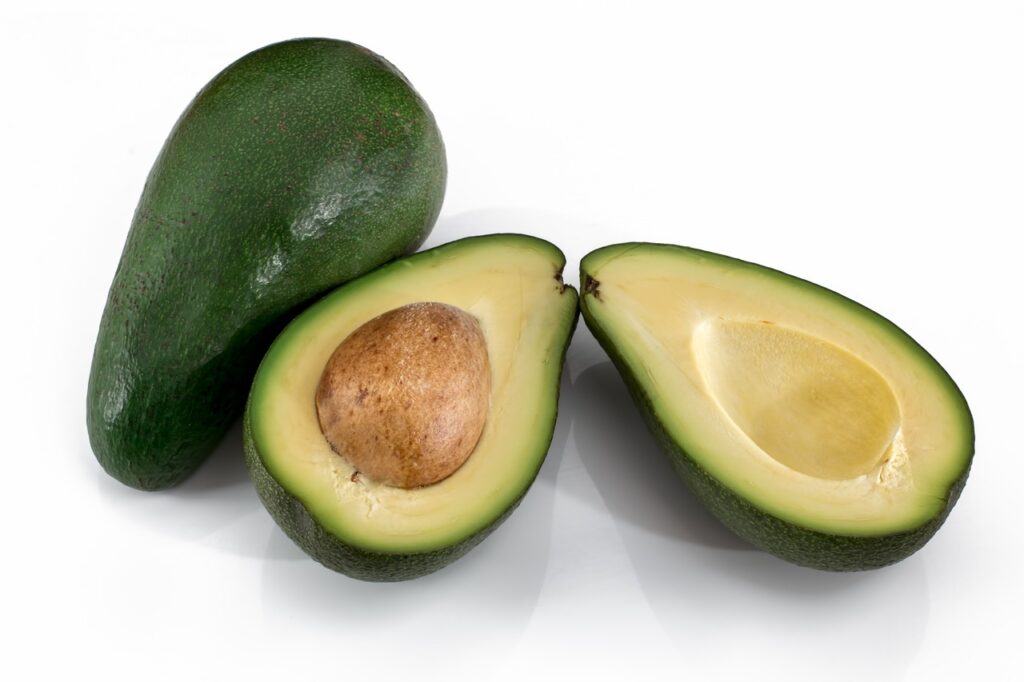
Eggs, almond, hazelnut, pecans, olive oil, avocado, groundnut/peanuts.
Polyunsaturated fat
Polyunsaturated fat is composed of two or more double bonds in it’s fatty acids chain. Just like monounsaturated fats, polyunsaturated fats are in liquid form. And it’s grouped under good fats.
Health benefits
It’s important in the;
- formation of blood clotting
- Building of cell membranes
- Cell growth
- Proper functioning of the brain
- Improved metabolic process
There are two types of polyunsaturated fatty acids
- Omega 3 fatty acids
- Omega 6 fatty acids
Omega 3 fatty acids
Studies showed that this type of fat reduces the level of bad cholesterol/triglycerides and improves the level of good cholesterol in the body. Research found that folks who eat fish high in Omega 3 at least two times a week have their blood triglycerides level reduced.
- Omega 3 fats in fish helps to reduce irregular heartbeat
- Lack of Omega 3 fatty acids may result in a poor menstrual cycle in women.
Omega 6 fatty acids
Food sources of polyunsaturated fatty acids
- Seeds;
- Sunflower seeds, sesame seeds, and pumpkin seeds, flaxseed
- Fish;
- Nuts; pine nuts and walnut
- Oil;
- Cooking oil; corn oil, safflower oil, soybean oil, flaxseed oil etc.